
Registered vs Unregistered NDIS Providers in Liverpool: What Families Must Know Before Choosing
Choosing between registered and unregistered providers is one of the most misunderstood decisions within the NDIS. For families in our local area of Liverpool, Sydney, this choice can directly affect service quality, funding access, and long term outcomes.
While both provider types can deliver needed support, they operate under different rules, expectations, and levels of oversight. Therefore, making the wrong decision may lead to funding limitations, inconsistent care, or unnecessary stress.
So, how do you decide what is right for your situation? This guide breaks down the pros, cons, and practical differences to help you make a confident and informed choice.
What Is a Registered NDIS Provider?
A registered NDIS provider in Liverpool is approved by the NDIS Quality and Safeguards Commission. These providers must meet strict compliance standards, including:
- Staff qualifications and checks
- Service quality audits
- Incident management systems
- Participant safety protocols
Registered providers are the only option for participants who are NDIA-managed. This means the NDIS pays providers directly.
What Is an Unregistered NDIS Provider?
Unregistered providers are not formally approved by the NDIS Quality and Safeguards Commission. However, it is important to clarify that they are still required to comply with the NDIS Code of Conduct and NDIS Pricing Arrangements.
The key difference lies in the absence of formal audits and registration requirements, not a lack of responsibility or standards.
This distinction matters. While both provider types must meet baseline expectations, registered providers undergo structured audits that verify compliance on an ongoing basis.
Key Differences at a Glance
Understanding the core differences helps simplify decision making.
|
Factor |
Registered Providers | Unregistered Providers |
|
Regulation |
Strict compliance required |
Limited oversight |
| NDIA Funding | Yes | No |
| Flexibility | Moderate | High |
| Safety Standards | Strong | Varies |
| ricing Transparency | Structured | Can vary |
1. Funding Access and Plan Management
Your plan type determines what you can access.
If you are NDIA-managed, you must choose from NDIS care providers who are registered. There is no alternative.
However, if you are plan-managed or self-managed, you can choose either provider type. This flexibility allows families to prioritise cost, availability, or specialised services.
2. Safety, Compliance, and Accountability
Safety is often the deciding factor for families.
Registered providers follow strict guidelines, including regular audits and compliance checks. This ensures consistent service quality and participant protection.
In contrast, unregistered providers may not have formal systems in place. While many deliver excellent care, quality can vary significantly.
Families seeking NDIS personal care services in Liverpool should carefully assess safety standards before choosing an unregistered provider.
3. Flexibility and Personalisation
Unregistered providers are often more flexible. They may:
- Offer customised service schedules
- Adjust pricing structures
- Provide niche or specialised support
This flexibility can be valuable, especially for participants with unique needs.
However, registered providers also deliver structured and reliable NDIS support services, ensuring consistency and accountability.
4. Access to Allied Health Services
When it comes to therapy services, both provider types can offer access, but structure and reporting quality often differ.
Families should ensure access to NDIS occupational therapy when functional assessments or assistive technology recommendations are required.
Similarly, access to NDIS physiotherapy is essential for improving mobility, reducing falls risk, and supporting recovery.
In many cases, registered providers deliver more structured reporting, which strengthens funding approvals.
5. Pricing and Value for Money
NDIS pricing for registered providers follows regulated limits. This ensures fairness and transparency.
Unregistered providers may offer lower rates or flexible pricing, which can be appealing. However, lower cost does not always equal better value.
Families should consider:
- Service consistency
- Staff experience
- Outcome quality
A cheaper service that fails to deliver results may cost more in the long term.
6. Availability and Waiting Times
In high demand areas like Liverpool, availability can be a challenge.
Unregistered providers may offer faster onboarding due to fewer administrative requirements.
On the other hand, registered NDIS service providers in Liverpool often have structured processes, which can result in waitlists but ensure consistent quality.
7. Documentation and Reporting Standards
Documentation plays a critical role in NDIS funding decisions.
Registered providers typically deliver:
- Detailed progress reports
- Functional assessments
- Evidence aligned with NDIA requirements
This is particularly important when working with an NDIS approved occupational therapist, as strong documentation directly impacts funding approvals.
Unregistered providers may not always meet the same reporting standards.
8. Risk vs Reward: Making the Right Choice
Choosing between registered and unregistered providers ultimately comes down to balancing risk and flexibility.
Choose Registered Providers If You Want:
- Strong safety standards
- Reliable reporting
- NDIA-managed plan compatibility
- Consistent service delivery
Choose Unregistered Providers If You Want:
- Greater flexibility
- Potential cost savings
- Faster service access
- Customised support arrangements
9. Local Insights Matters for residents looking for NDIS in their local area.
Liverpool, our home base, is a diverse and rapidly growing community. Local experience plays a significant role in our service delivery.
A provider familiar with the area understands:
- Transport challenges
- Community programs
- Cultural diversity
- Healthcare networks
This ensures services are practical and accessible.
10. Supporting Resources for Smarter Decisions
Before making a final choice, review this detailed guide:
- How to Choose the Best NDIS Provider in Liverpool: 7 Critical Checks Before You Commit
- What Families in Liverpool Should Expect from an NDIS Provider
Conclusion: Make a Decision That Protects Your Future
Choosing between registered and unregistered providers is not only about right or wrong. It is about selecting the structure, flexibility, and level of oversight that fits your plan and goals.
Registered providers offer audited systems, consistent reporting, and strong safeguards. Unregistered providers may offer flexibility and faster access, but require careful evaluation.
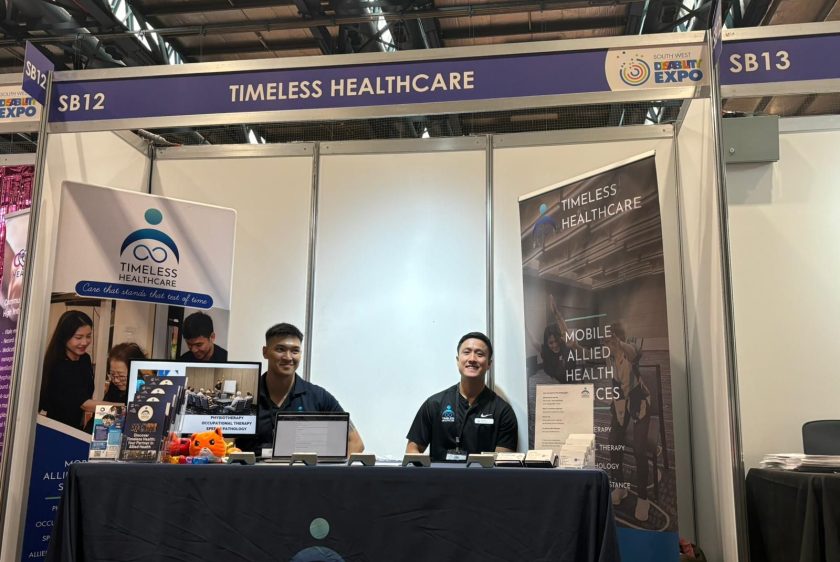
At Timeless Healthcare, what sets us apart is our fast report turnaround and consistent communication with Support Coordinators, ensuring that plan reviews, progress updates, and clinical documentation are never delayed. This allows participants to maintain funding continuity without unnecessary stress.
If you are a participant or family seeking dependable support in Liverpool, contact us today.
If you are a Support Coordinator or Care Manager looking for a reliable allied health partner in Liverpool, get in touch to discuss your clients’ needs.
FAQs
Can I switch between registered and unregistered NDIS providers?
Yes, if you are plan-managed or self-managed, you can switch providers based on your needs.
Are unregistered NDIS providers safe?
Some are highly reliable, but quality varies. Always assess experience, reviews, and safety practices.
Do registered providers cost more?
Not necessarily. Pricing is regulated, which ensures transparency and fairness.
Which provider type is better for therapy services?
Registered providers often deliver stronger reporting, which supports funding approvals.
Can NDIA-managed participants use unregistered providers?
No, NDIA-managed participants must use registered providers.