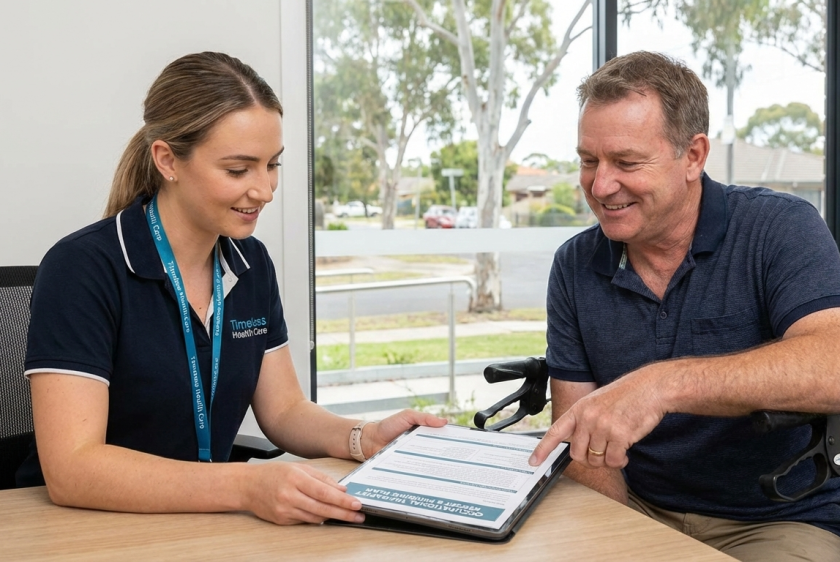
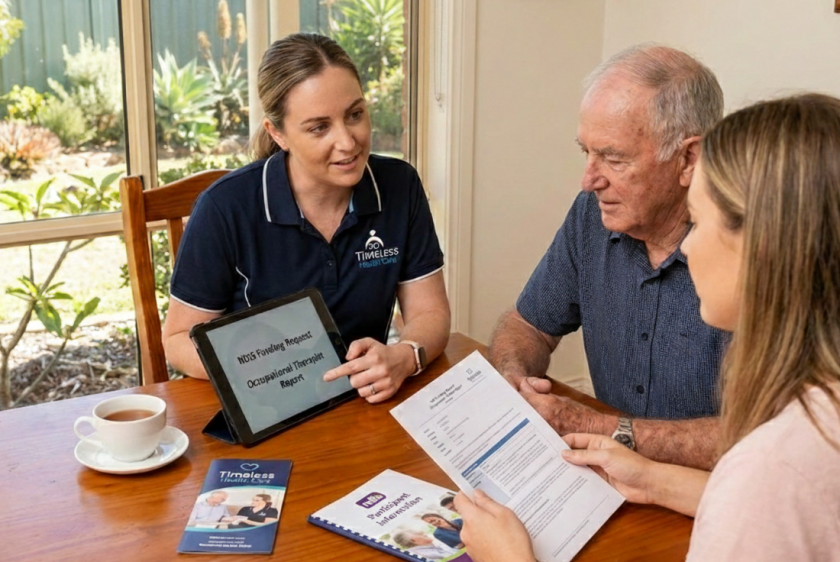
When families begin navigating the NDIS, they often focus on therapy hours, support workers, or assistive equipment. However, one powerful document quietly determines whether those supports are approved or reduced. That document is the occupational therapist report.
So, why is an occupational therapist report important?
There is a moment many NDIS participants and families know too well.
You have goals. Real ones. Safer showers. A wheelchair that actually fits. Support at home that does not feel like a daily struggle. And yet, the funding decision comes back thin, unclear, or simply wrong.
Why does this keep happening?
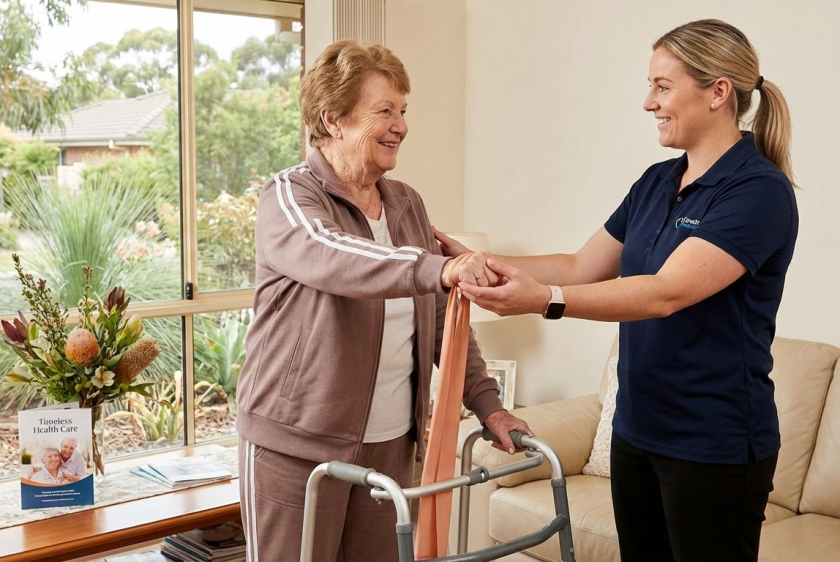
These small moments don’t announce themselves loudly, but over time, they begin to shape how people live. In our experience, this is often where the conversation about physiotherapy in Sydney really begins. It begins not after a major injury, but when daily movement feels harder than it should.
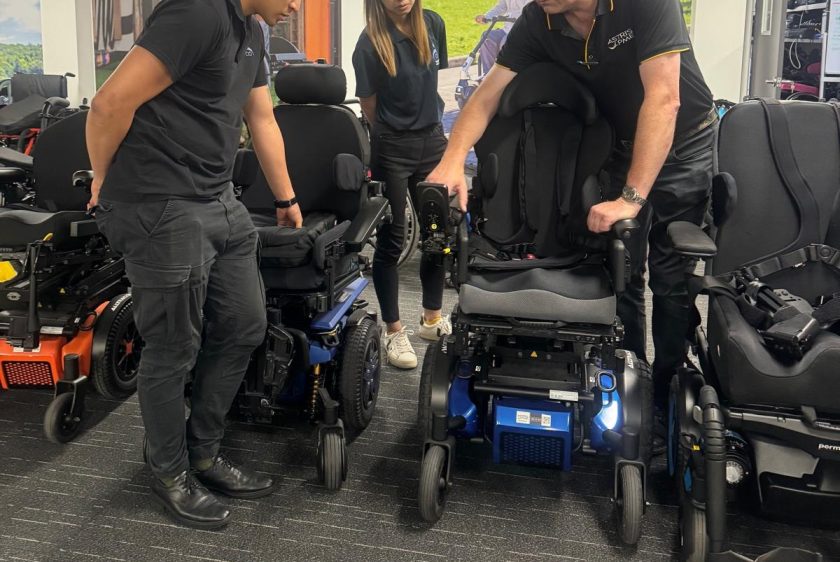
There’s nothing more frustrating than seeing someone struggle with mobility simply because the equipment doesn’t quite fit their body, home, or daily routine. For people living with disability or age-related changes, the wrong seating or mobility aid can limit independence instead of supporting it. That’s why staying current with assistive technology isn’t optional; it's essential for any NDIS provider committed to real outcomes.